IntroductionGetting full value for your farm or ranchland when you sell isn'tguesswork — it's about knowing what you're looking at. After 17 yearsspecializing in farm real estate, I'e learned
Dated: August 21 2026
Views: 119
Introduction
Getting full value for your farm or ranchland when you sell isn't
guesswork — it's about knowing what you're looking at. After 17 years
specializing in farm real estate, I'e learned that valuation is part
science, part experience, and entirely necessary if you want fair market
value.
Why Experience Matters in Farm Land Valuation
Using coffee shop talk to value your farmland is like asking your dentist
to do heart surgery — it is risky and something you may regret. Fair
valuation requires someone who does this every single day and
understands the complexities of farm operations. A full-time farm realtor
stays current on market trends, knows local buyers, and has the hands-on
experience to spot what actually matters. That's the difference between a
guess and an accurate valuation
Soil Quality and Crop Insurance Ratings
Every acre isn't equal. SAMA field sheets and Saskatchewan Crop
Insurance soil classifications give us the foundation — they tell us
productivity and potential. Soil classes show the variation in quality,
SAMA gives us the breakdown of soil composition, and a final number
that shows the productive ability of the land.
The Visual Appraisal
Numbers on paper don't tell the whole story. I walk the land, assess
current weather impacts, determine how many acres are truly farmable
right now, and identify what potential exists for improvement or
expansion. Land configuration and size matter too. Grain farmers need
large open spaces without obstacles like water or trees so they can
operate large equipment efficiently and economically. Ranchers, on the
other hand, value water as a necessity and appreciate trees for protection
from summer heat, winter cold, and wind. You can't value land from a
desk.
Comparable Sales
What did similar land sell for in your area recently? As a realtor actively
working farm transactions, I have real-time knowledge of current market
values in your region. This isn't speculation — it's data.
Knowing Your Local Market
Every area has its active buyers and market dynamics. Some regions
attract investors, others draw owner-operators. Understanding who's
buying what in your market directly impacts fair value.
Infrastructure and Improvements
For ranches and livestock operations, infrastructure matters. Quality
fences, functional corrals, proper barns, winter shelter systems, and well-
designed cattle management setups significantly impact property value.
For grain farmers, grain storage facilities add considerable value. Both
grain farmers and ranchers need reliable machinery storage, heated
shops for equipment maintenance and repairs, and functional homes.
These improvements — from livestock facilities to grain storage to work
spaces and residences — all contribute to the overall value of the
operation. A well-built operation is worth more than bare land.
The Bottom Line
Fair valuation combines soil science, visual assessment, comparable
sales data, local market knowledge, and infrastructure evaluation. That's
how you know you're getting what your land is actually worth.
Ready for an Honest Valuation?
If you're thinking about selling, let's talk. I'll give you a straightforward
assessment of your property's market value — no pressure, just honest
expertise. 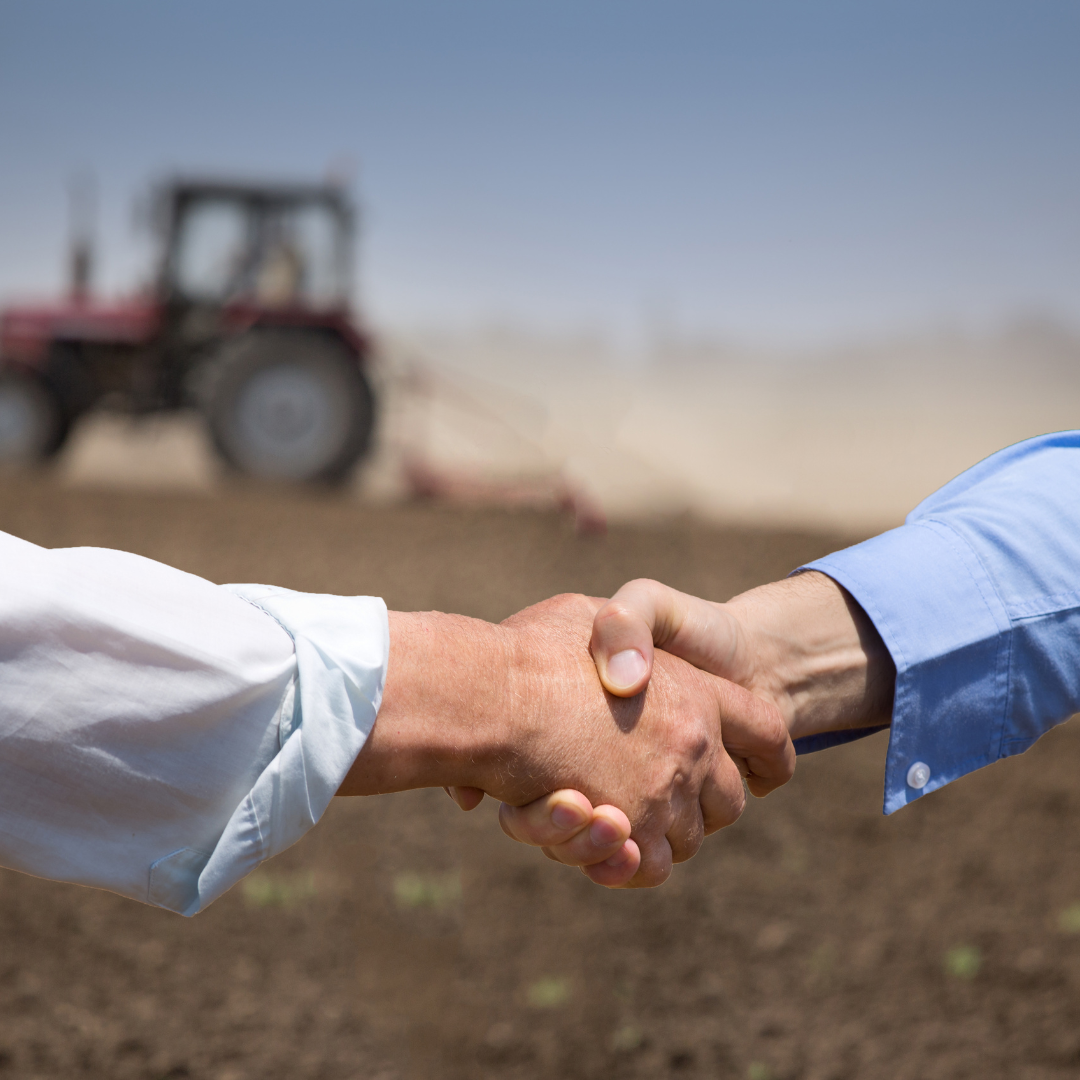
IntroductionGetting full value for your farm or ranchland when you sell isn'tguesswork — it's about knowing what you're looking at. After 17 yearsspecializing in farm real estate, I'e learned
Selling farmland is a big decision, and it's more complicated than just listing the property andwaiting for offers. There are several things you need to address before you put your land on.
 Saskatchewan REALTORS Association® All information deemed reliable but not guaranteed. All properties are subject to prior sale, change or withdrawal. Neither listing broker(s) or information provider(s) shall be responsible for any typographical errors, misinformation, misprints and shall be held totally harmless. Listing(s) information is provided for consumer's personal, non-commercial use and may not be used for any purpose other than to identify prospective properties consumers may be interested
in purchasing. The data relating to real estate for sale on this website comes in part from the Internet Data Exchange program of the Multiple Listing Service. Real estate listings held by brokerage firms other than REMAX Revolution Realty may be marked with the Internet Data Exchange logo and detailed information about those properties will include the name of the listing broker(s) when required by the MLS. Copyright ©2026 All rights reserved.
The trademarks REALTOR®, REALTORS® and the REALTOR® logo are controlled by The Canadian Real Estate Association (CREA) and identify real estate professionals who are members of CREA. The trademarks MLS®, Multiple Listing Service® and the associated logos are owned by CREA and identify the quality of services provided by real estate professionals who are members of CREA. Used under license.
Last Updated: August 24, 2026 2:19 PM UTC
Show More...
Saskatchewan REALTORS Association® All information deemed reliable but not guaranteed. All properties are subject to prior sale, change or withdrawal. Neither listing broker(s) or information provider(s) shall be responsible for any typographical errors, misinformation, misprints and shall be held totally harmless. Listing(s) information is provided for consumer's personal, non-commercial use and may not be used for any purpose other than to identify prospective properties consumers may be interested
in purchasing. The data relating to real estate for sale on this website comes in part from the Internet Data Exchange program of the Multiple Listing Service. Real estate listings held by brokerage firms other than REMAX Revolution Realty may be marked with the Internet Data Exchange logo and detailed information about those properties will include the name of the listing broker(s) when required by the MLS. Copyright ©2026 All rights reserved.
The trademarks REALTOR®, REALTORS® and the REALTOR® logo are controlled by The Canadian Real Estate Association (CREA) and identify real estate professionals who are members of CREA. The trademarks MLS®, Multiple Listing Service® and the associated logos are owned by CREA and identify the quality of services provided by real estate professionals who are members of CREA. Used under license.
Last Updated: August 24, 2026 2:19 PM UTC
Show More...